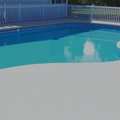





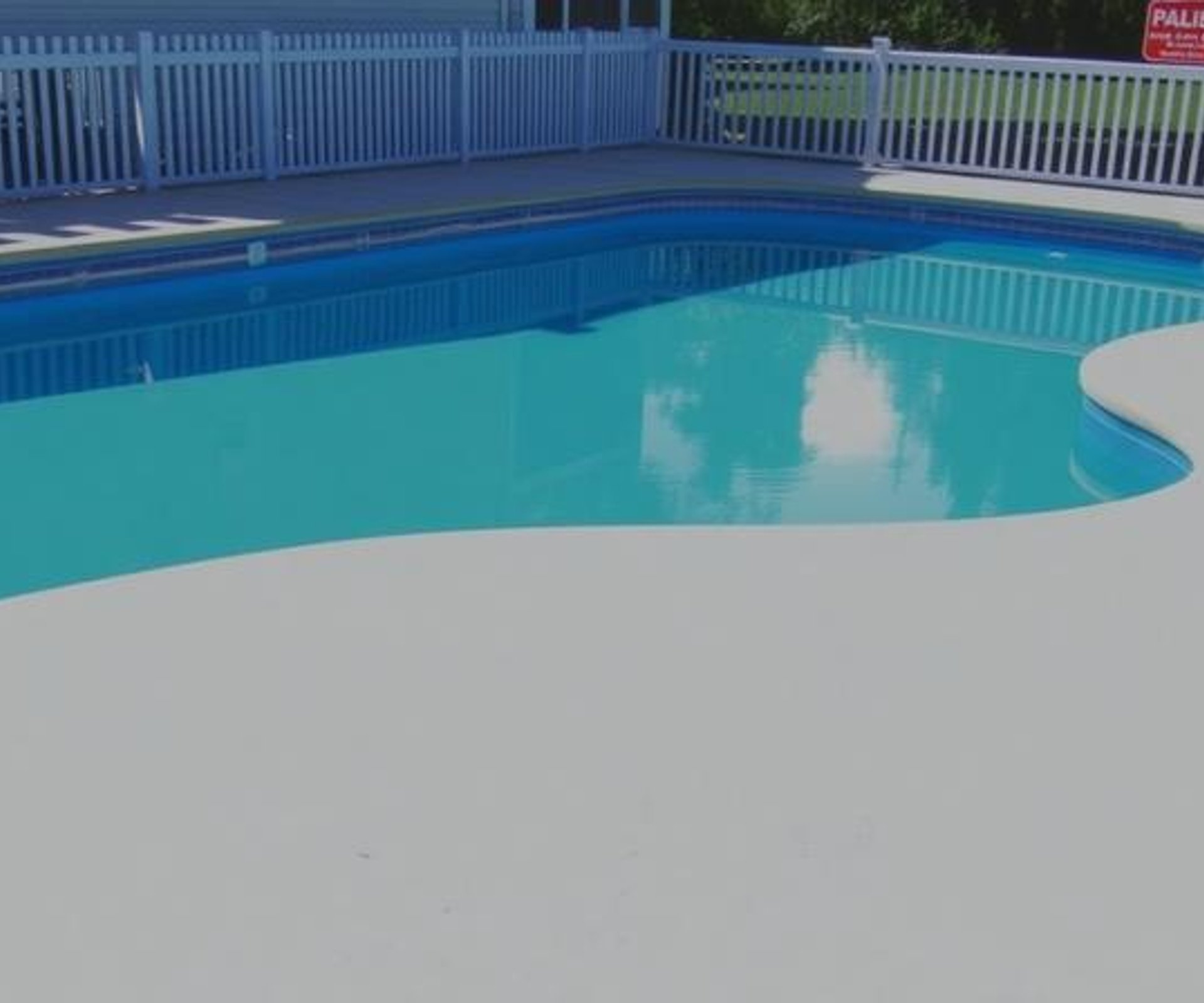

The Florida sun is a killer for concrete. If your yard is drab, dusty, or a slip-n-slide when it rains, then stop turning a blind eye. Pool deck paint professional application is more than just a lipstick on a pig special. Instead, it protects the slab from cracking and makes sure that the surface of your pool can stay cool enough to walk across without roasting your feet.
Key Takeaways
- Lock Out Moisture Damage: Treat a fresh coating as a vital moisture barrier. It stops water from soaking into those thirsty concrete pores, which is exactly how you avoid those "wallet-draining" structural cracks down the road.
- Actually Beat the Heat: Modern "cool deck" formulas are engineered to reflect the UV rays rather than soak them up like a sponge. This can drop surface temperatures by up to 20%, which your feet will definitely thank you for during a mid-day cookout.
- Safety is the Priority: Integrate anti-skid textures into your pool deck paint for genuine peace of mind. These specialized grit additives give you the "bite" you need on wet surfaces without making the floor feel like 80-grit sandpaper on your skin.
- Ditch the Dated Look: Design trends move fast, and a refresh is the perfect excuse to kill off those dusty 90s colors. Earthy taupes and sleek, modern grays can instantly give your home that high-end, resort-style vibe you see in the glossies.
The Florida Factor: Why Your Deck is Fading
Down here, the stuff you buy off the shelf at a big-box store just doesn’t have the backbone for horizontal concrete. Your backyard is basically fighting a "triple threat" match every single day of the year:
- Intense UV Radiation: That Florida sun acts like literal sandpaper on a microscopic chemical level. It eats through cheap paint bonds, leaving you with that annoying white, powdery "chalk" that sticks to your feet and gets tracked all over your clean kitchen floors.
- Corrosive Pool Chemicals: No matter if you have a traditional chlorine setup or a salt-cell system, pool water is corrosive. Nothing short of a specialty, chemical-resistant pool deck paint can seal it in. Every minor splash-out leaves behind a stain or initiates flake-generated peeling right at the water’s edge.
- The High Water Table: A good deal of our ground locally acts as one huge sponge. The moisture can become trapped underneath your concrete slab, and if you choose a coating that doesn't “breathe,” that underground vapor pressure is going to bubble and blister all over your expensive new finish.
How a Professional Paint Refresh Changes the Game
A legit coating job does much more than sit atop the stone; it changes how you use your backyard. Stop choosing "good enough", get the right materials and you're transforming a high-maintenance problem into a high-performance getaway.
Expanding Your Living Space
By the time you have a deck that is stained and moldy, cracked and ugly, with knee-rotting splinters jutting from it, your mind tells your legs to get back inside where the weather is fine. An open, consistent color scheme draws the lanai "into" the house so your indoor floor plan feels like it really extends even outdoors. It adds hundreds of square feet of usable space for your grill and where your lounge chairs go, and where all of your friends will swirl around.
Keeping the Temperature Down
Older, dark concrete is a massive heat soak. Modern coatings are engineered with infrared-reflective tech that’s pretty incredible. It bounces the heat back up into the sky instead of absorbing it into the slab, which is the big difference between a relaxing afternoon and burnt paws for your pets.
Maintenance Made Simple
Raw, unsealed concrete is basically a sponge for mold, mildew, and spilled sunscreen. A professional-grade topcoat seals those pores up tight. Instead of spending your entire Saturday morning scrubbing on your hands and knees with a wire brush, you can just hose the dirt off in five minutes and get back in the water.
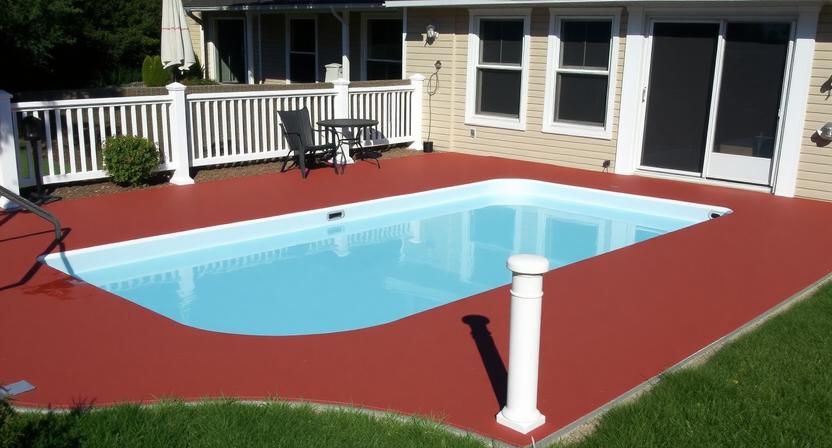
Pool Deck Paint Design Trends Beyond Basic Beige
For decades, it felt like every single lanai from Port Charlotte to Naples was painted that same "Florida Tan." Currently, we’re finally seeing homeowners branch out into a more sophisticated, "grit-meets-glam" look that really pops:
- The "Greige" Movement: Make the switch deep towards warmer grays & taupes. These tints are the MVP because while they conceal grime considerably better than pure white, they also maintain a sufficiently cool color for traversing on one of those blazing August afternoons.
- Multi-Tonal Flake Systems: Squares or dots of silver, gray, and black instead of a single boring basic color. It brings a very good level of depth to the look and does an amazing job at hiding those little pits and imperfections that are normal with older concrete.
- Slate Blue Borders: Put the finishing touch on an absolute game-changer by outlining the deck with a deep, UV-stable charcoal or even blue. This makes the pool water appear twice as blue by contrast, and imparts an architectural "pop" to the entire space that really sets it apart from your neighbors.
The Step-By-Step "Boots on the Ground" Process
If there’s one thing you should know, it’s that a lasting pool deck paint job is 90% prep work. If you just slap a new coat over the old, failing mess that's currently there, you might as well throw your money into the wind. It’s going to peel in six months—guaranteed.
Deep Cleaning and Degreasing
Start every job with a high-pressure wash and industrial-strength degreasers. You’ve got to strip away years of accumulated sunscreen oils and organic algae. If that surface isn't surgically clean, the new paint simply won't "bite."
Surface Repair and Etching
Grind out cracks and fill them with elastomeric material that actually moves when the ground shifts. Then, hit any bare concrete with a mild acid etch to "open" the pores so the paint can grab hold like a root system.
Priming for the Humidity
Utilize a moisture-tolerant primer to prevent "alkali burn" from the concrete. This keeps the bond tight even when the ground is completely saturated during the peak of the rainy season.
The High-Performance Topcoat
Roll out two thick, even coats of specialized waterborne acrylic. This is where you mix in the anti-skid additives—usually a fine micronized resin—to give you plenty of traction without making the deck feel like a cheese grater on your feet.
Transform Your Outdoor Oasis
Upgrading your outdoors is all about balancing that high-end look with the gritty reality of our local weather. By choosing a high-performance pool deck paint, nailing the prep work, and leaning into modern "greige" or flake finishes, you turn a crumbling slab into a tough, heat-reflective sanctuary. It’s the move that swaps a high-maintenance eyesore for a resort-style vibe that actually handles the chemicals, humidity, and sun. Visit abpaintingco.com for more information.
Frequently Asked Questions
Q: How long until I can jump back in the water?
A: Most of these high-end acrylics are dry to the touch in just a few hours. However, please don't go dragging your heavy iron furniture or the big grill back onto the surface for at least 72 hours. You really need to give the finish time to cure out properly so it doesn't dent or scuff.
Q: Can you paint over my old "Kool Deck"?
A: You bet, but we definitely don't use thick epoxies for that. We use a specific, breathable acrylic stain. If you go too thick with the wrong product, you’ll fill in the tiny textures that make Kool Deck work, and you’ll end up with a surface that’s hot enough to fry an egg on.
Q: When is the best time to schedule this?
A: The "Dry Season"—which is typically November through April—is the absolute sweet spot. You get much lower humidity levels, and more importantly, you don't have to stress about a 4 PM thunderstorm washing your fresh paint right into the pool before it has a chance to set.
Q: Is this stuff going to be slippery?
A: Not on our watch. We always integrate a "skid-grip" polymer into the process. It’s a tiny spherical bead that gives you a solid foothold even when the kids are splashing water everywhere, but it’s still designed to be smooth enough to be easy on your feet.