




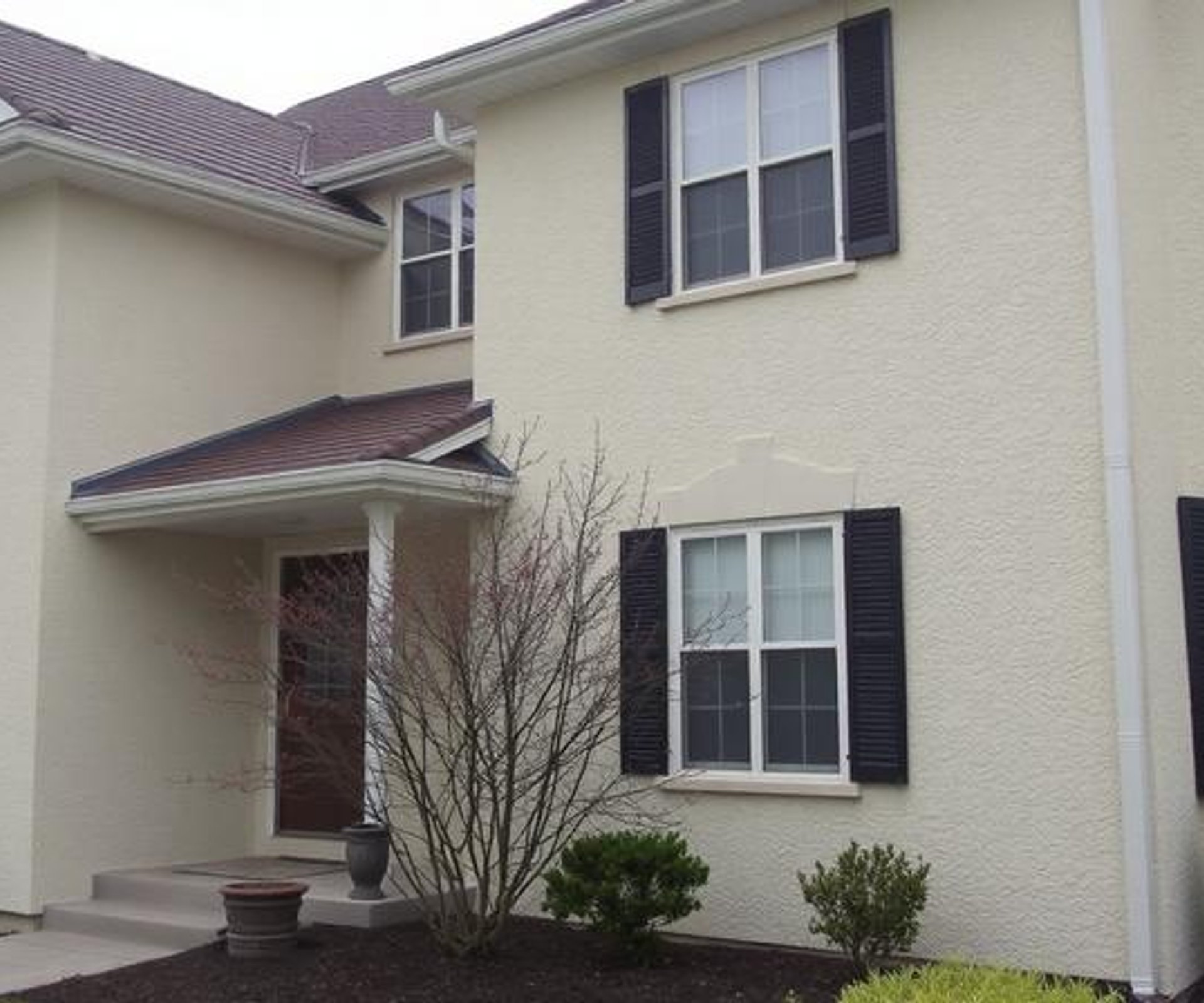

Out here in Florida, your home’s exterior isn't just a pretty face for the neighbors; instead, it’s a frontline fighting position against some of the most violent weather on the planet. Stucco is the regional standard for a reason—it’s tough as nails and fire-resistant. However, it is essentially a hard, thirsty sponge. Consequently, without high-quality exterior stucco paint and a specialized moisture seal, your walls aren't just walls; they're a massive liability when hurricane season rolls in.
Key Takeaways
- Stop the Sponge Effect: Above all, you must also quench the thirst of your masonry. Stucco is naturally a very porous material. However, a coating of professional-grade material will create a thick membrane that prevents the wind-driven rain from penetrating and soaking into your structural framing members.
- Elasticity Over Everything: Brittle paint is a death sentence in the Florida sun. Therefore, you need high-performance coatings that stretch to bridge those hairline fractures that pop up as your home shifts in the humidity.
- Real Prep or No Prep: Don't let anyone tell you they can "paint over" damaged stucco. On the contrary, hunting down hollow spots and grinding out "stair-step" cracks is the only way to work; otherwise, you're just burying a future disaster.
- Balance the Chemistry: Apply a new or resurfaced stucco, which has a high pH that can eat standard paint for breakfast. Therefore, a masonry-type sealer will keep the paint from suffering "alkali burn," something that can wreck a painted surface in less than one season.
Why a Heavy-Duty Coating is Your Best Hurricane Prep
When most of us start "hurricane-proofing," our minds immediately go to plywood, shutters, and impact glass. Those are vital, for sure, but nevertheless, the right exterior stucco paint is what actually keeps the "bones" of your house from rotting out from the inside. Think of it as a tactical rain jacket for your biggest investment—it keeps the structure dry even when the weather gets ugly.
In particular, here is why the right coating is a total game-changer when the wind picks up:
- Building a Waterproof Fortress: High-performance coatings act a lot like a seamless rubber suit. For instance, when a major storm tries to shove rain through your walls with 80-mph force, the right paint pushes back. It’s the difference between a dry living room and soggy insulation and ruined drywall.
- Moving with the House: Florida homes are constantly "breathing" and settling. As a result, the right masonry paint is elastic enough to stretch across those inevitable hairline cracks rather than snapping like a brittle shell. This ensures a tiny fracture doesn't turn into a massive leak during a week-long tropical depression.
- Impact Shielding: High-velocity winds turn sand, mulch, and street debris into tiny projectiles. In comparison to bargain-bin stuff, professional-grade exterior stucco paint is significantly thicker. It’s designed to absorb those hits without chipping away and exposing the raw, porous concrete underneath.
- Stopping the Silent Rot: By sealing things up correctly, you prevent moisture from getting trapped behind the stucco layer. Ultimately, this is the only real way to stop the invisible growth of mold and structural decay that most homeowners don't even notice until it has become a massive, expensive headache.
Why Stucco Fails: The "Hard Sponge" Problem
It’s easy to think of stucco as a solid, impenetrable rock, but in reality, it’s a cement-based product filled with microscopic pores. They’re invisible to the naked eye, yet they are wide open to moisture.
Furthermore, in our climate, your house is always in motion. During a 95°F afternoon, for example, the heat causes your walls to expand. When a sudden city downpour hits, the temperature drops and the walls contract. This constant "breathing" eventually fatigues the stucco, subsequently leading to those tiny hairline cracks you see around your windows and corners.
Indeed, here is why that turns into a crisis during a storm:
- High-Pressure Leaks: In a major hurricane, rain doesn't just fall; rather, it’s driven by 70+ mph winds. That force literally shoves water into those hairline cracks like a high-powered pressure washer.
- The "Paint Bubble" Disaster: If your paint is old and brittle, it can’t move with the house. Consequently, water gets trapped behind the paint film. Those "bubbles" or "blisters" you see after a storm? Specifically, that’s a pocket of water rotting your stucco from the inside out.
- Mold & Delamination: Once water is trapped, it leads to "delamination," where the stucco pulls away from the wire mesh and wood framing. By the time you see the damage on the outside, mold has usually already set up shop in your insulation.
Overall, this is why "standard" exterior paint is a massive gamble. You need a coating that acts less like a color choice and more like a flexible, breathable shield.
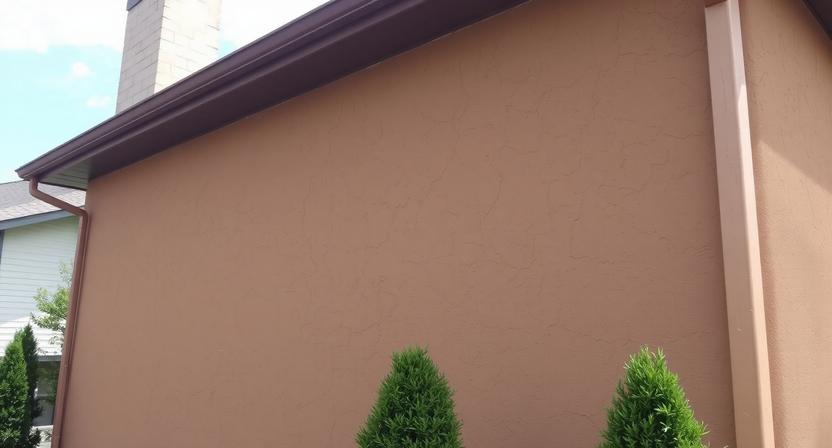
Elastomeric vs. Acrylic: Picking Your Armor
When we’re choosing the best coating for hurricane-proofing, we generally look at two professional paths:
High-Build Acrylic
Industrial products like Sherwin-Williams Loxon XP are engineered specifically for masonry. They are way thicker than standard latex and offer great UV protection and breathability. Therefore, they’re perfect for stucco that is in decent shape with minimal cracking.
Elastomeric Coatings
However, elastomeric paint is the gold standard if your home has had a history of hairline fractures. They are also extremely thick and can stretch all the way up to 400% their original size. Basically its a rubberized suit for your home, it closes any existing cracks, and it stays closed when new ones appear.
Why Professional Expertise Saves Your Structure
Can grab a cheap roller and slap some color on a wall, but with stucco, that’s just a down payment on a five-figure repair bill. This material is temperamental. Moreover, treating it like standard wood siding is a mistake that leads to trapped moisture and structural rot.
Professional crews, like the team at A&B Painting, bring a level of technical "grit" to the job that goes way beyond aesthetics:
- Map the Damage: We hunt for the difference between superficial settling and deep structural "stair-step" cracks that mean your moisture barrier is failing.
- Perform the Sound Test: Additionally, we tap the vertical surfaces to find "hollow" spots where the stucco has detached from the mesh—a critical fix before we even open a can of paint.
- Check the Chemistry: We measure the pH levels of the masonry to stop "alkali burn" before it starts, thereby making sure the primer actually bites into the wall.
- Structural Crack Expansion: We use grinders to "V-groove" existing fractures, consequently allowing high-grade sealants to get deep into the wall instead of just sitting on the surface like a band-aid.
- Moisture Load Monitoring: Finally, we use professional-grade meters to make sure the concrete isn't holding too much water to accept a new seal, which is the only way to prevent those nasty paint bubbles.
The "Boots on the Ground" Prep Process
A real hurricane-proofing project follows a strict protocol. To begin with, at A&B Painting, we don't just "paint"—we restore the moisture barrier.
- The Sound Test: We walk the perimeter of the home, tapping on every wall. For instance, if it sounds hollow, that stucco is coming off and getting patched, or it could literally fly off in a high-wind event.
- Pressure Washing: Next, we use specific pressure settings to strip away "chalk"—that powdery sun-damage residue—and kill off any algae. Paint won't bond to chalk; instead, it’ll just peel off and take your protection with it.
- Mechanical Repair: Following that, we don't just "fill" cracks. We "V-groove" them and use high-grade masonry sealants to ensure the repair is deep and structural.
- The Sealer: Florida stucco is highly alkaline. Ultimately, we apply a dedicated masonry primer to neutralize the pH levels so the topcoat "grabs" the wall and won't peel when 100-mph winds are pounding it.
Protect Your Biggest Investment
Your home is likely your biggest asset, and in Florida, that asset is constantly under siege from the elements. Clearly, a professional exterior stucco paint application is the single most effective way to stop the devastating water damage that often follows a hurricane.
Don't wait until a named storm is spinning in the Gulf to check your walls. In conclusion, a proactive moisture seal today is the difference between a dry home and a total renovation tomorrow.
Frequently Asked Questions
Q: How often should I repaint my stucco home in Florida?
A: In actual effect, you should plan for a refresh every 5 to 8 years. By the time you notice actual peeling, water has most definitely penetrated your sub-structure. And what was once a simple paint job turns into a nightmare.
Q: Can I use a regular "house paint" on stucco?
A: Yes, you can, but you're asking for trouble. Stucco must "breathe" in order to expel moisture from the interior of the wall. In contrast, coatings tailored for masonry are designed to allow vapor to pass while restricting the entry of liquid water.
Q: Do darker colors affect stucco longevity?
A: They do, indeed. Darker colors soak up more heat, leading to more dramatic expansion and contraction. As a result, this "thermal shock" can cause cracks to pop up faster. However, if you want a dark look, we use "cool-tone" technology designed to reflect those IR rays.
Q: Is elastomeric paint always the best choice?
A: Not always. While it’s good for cracking, it can sometimes trap too much moisture if the home already has a dampness issue. Therefore, a quick inspection from A&B Painting can tell you whether elastomeric or a high-build acrylic is the better call for your specific walls.