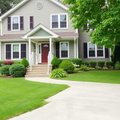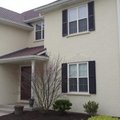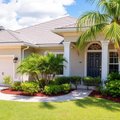





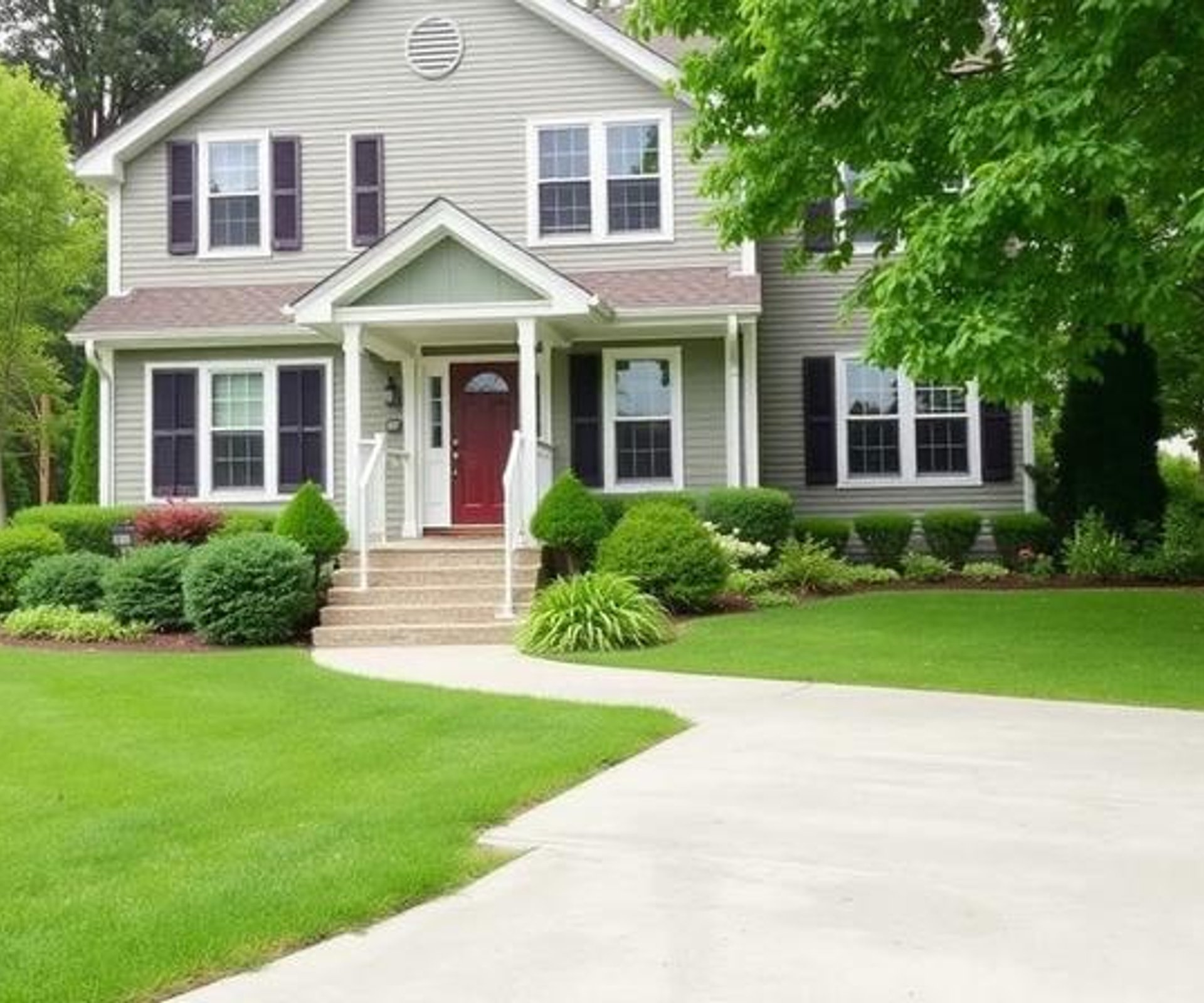

Giving your home a fresh look is one of the best ways to boost its value and your own curb appeal pride, but if you’re living in Lakewood Ranch, getting HOA-approved paint colors is your absolute first move. These neighborhoods stay looking like a million bucks because of strict architectural rules. Skipping the paperwork might seem like a shortcut, but it’s a quick way to land a "Cease and Desist" and a hefty bill to repaint everything.
At A&B Painting, we’ve been around the block with Lakewood Ranch HOAs more times than we can count. We’ve helped tons of local homeowners navigate the red tape, pick approved shades, and handle the technical details. To help you get started, here is our guide to navigating the Lakewood Ranch HOA paint approval process.
Key Takeaways
- HOA Pre-Approval: Always secure written permission from your board before starting any exterior painting project. This prevents expensive fines and ensures your selected palette matches neighborhood standards.
- Three-Color Rule: Most communities require a specific balance between the body, trim, and accent colors. Stick to this proven formula to maintain architectural harmony across your property.
- The Sun Factor: Florida’s intense UV rays make colors appear significantly lighter and brighter once applied. Always test large samples on your walls to see how the pigment reacts to direct sunlight.
- Submission Success: Include physical color chips and photos of neighboring homes in your modification request. Providing a complete application package speeds up the review process and leads to faster approval.
The Lakewood Ranch "Golden Rule": When Pre-Approval is Mandatory
In most Lakewood Ranch villages, the law of the land is simple: If you’re changing the look, you’re getting permission first. Even if you’re convinced the new shade is "basically the same," modern formulas and years of UV fading mean a fresh coat won't match the old weathered one. Here is the lowdown on when you need to start talking to the board about HOA-approved paint colors:
- Repainting the same color: Usually, you don’t need a formal ARB (Architectural Review Board) sign-off for a refresh, but it’s still smart to shoot a quick email to your property manager just to cover your back.
- Changing colors: Any time you move away from the current scheme, you have to submit a formal Modification Request Form and get the "okay" before the crew shows up.
- Touch-ups: Small maintenance spots usually don't need a whole production, as long as your new paint is a dead-on match for the existing color and sheen.
- Expert Tip: Don't wait until the week before your painters arrive to file. Most boards have 30 days to review your application. Get it in early so you don't lose your spot on the contractor's schedule.
Understanding the "Three-Color Rule"
Lakewood Ranch communities almost always stick to the Three-Color Rule for any exterior project. To stay in the safe zone with the board, your plan needs to cover three specific areas:
- The Body: This is the heavy lifter. It’s the dominant color for your main surfaces, like the stucco or the siding.
- The Trim: This goes on your fascia, soffits, and window frames. Usually, you’re looking for a shade lighter or darker than the body to give it some depth, though a clean white is still a classic Florida move.
- The Accent: This is just for the front door and the shutters. It’s the one spot where the HOA usually lets you show a little personality—think deep navies, sage greens, or a sharp black.
Popular HOA-Approved Paint Colors in Lakewood Ranch
While every village has its own specific book of HOA-approved paint colors (usually kept on file at the Sherwin-Williams on University Parkway or SR-70), these three styles are winning over the boards right now:
The "Coastal Neutral" (Modern & Airy)
This is the go-to for newer spots in Waterside or Polo Club. It reflects that heat and keeps your AC from working overtime.
- Body: Sherwin-Williams Agreeable Gray or Alabaster
- Trim: Pure White
- Accent: Iron Ore (Dark Charcoal) for the door.
The "Earthy Mediterranean" (Classic Florida)
You’ll see this all over the Country Club and Edgewater. These tones are designed to play nice with those barrel tile roofs.
- Body: Sherwin-Williams Sandbar or Universal Khaki
- Trim: Dover White
- Accent: Tricorn Black or a deep Cordovan red.
The "Lowcountry Coastal" (Soft & Inviting)
A big favorite in the Esplanade and the Northwest Sector neighborhoods.
- Body: Sea Salt or Rainwashed (muted greens and blues)
- Trim: Extra White
- Accent: Naval (Navy Blue) for the shutters.
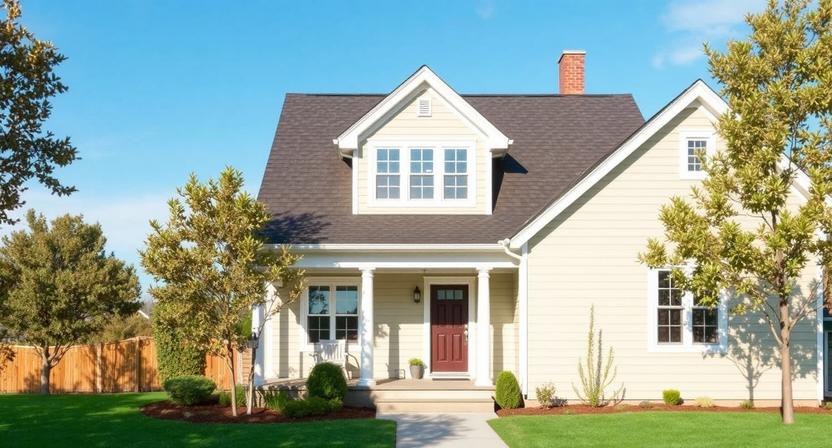
Colors That Typically Get a "No" from Your Lakewood Ranch HOA (And Why)
Lakewood Ranch is pretty diverse, but certain looks will get shot down by the Architectural Review Board every single time. Knowing why they reject things saves you from weeks of arguing with a committee.
Vibrant Primaries and Neon Shades
Bright yellows, electric blues, or fire-engine reds are non-starters for the body of a house. The HOA wants "visual harmony," and those colors just scream for attention in a way that breaks the neighborhood flow.
Deep, Dark Body Tones
A dark charcoal might look cool in a magazine, but here it’s a heat magnet. Aside from the look, these dark colors make stucco expand and contract way too fast in the Florida heat, which leads to cracks before the paint is even dry.
Exact Duplicates of Your Neighbors
Even if you pick a safe beige, they’ll kill the request if the guy to your left and the guy across the street have the exact same house. They want "varied but cohesive," not a row of identical clones.
High-Gloss Finishes on Large Surfaces
Most HOAs stick to "Flat," "Matte," or "Satin." High-gloss on stucco creates a nasty glare in the midday sun and shows off every single bump or imperfection in your masonry.
The "Florida Sun" Trap: Why Your Chip Lies to You
Out here in Lakewood Ranch, the sun hits differently than it does up North. It completely changes how your chosen colors actually look on the wall.
- The 20% Rule: Colors look about 20% lighter and brighter once they’re spread across a whole house under that 2 o'clock sun. That "perfect gray" you liked in the store might look like a blinding white once the scaffolding comes down.
- The Undertone Ghost: Neutral grays love to hide blue, purple, or green undertones. You won't see it on a tiny chip, but on a two-story Sarasota County home, that "Greige" can suddenly start looking like "Lavender."
- The Fix: Always paint a 4x4-foot sample square on at least two sides of the house—one in the sun and one in the shade. Watch it for 24 hours before you commit.
How to Submit Your Modification Request (And actually get it approved)
If you want a "Yes" from the committee, you have to act like a pro. Most Lakewood Ranch HOAs aren't going to hunt down info for you; you need to hand it to them.
- A completed Modification Request Form: You’ve got to grab this specific doc from your community portal or your property manager.
- Paint Samples: Most boards want the physical chips from the store, not a printout from your computer, to make sure the color is accurate.
- Photos of the house: Take a clear shot of your place and the houses on both sides. It proves to the board that you aren’t creating a "matching set" on the block.
- A copy of your survey: Toss in a copy of your property survey so the committee knows exactly where the work is happening.
Why "Contractor Choice" Matters for HOA Compliance
Hiring a local crew that actually knows Lakewood Ranch isn't just about how straight their lines are; it’s about making sure you don’t get fined. At A&B Painting, we’ve spent years working with boards from Port Charlotte to Lakewood Ranch. We know that "close enough" doesn’t cut it in a deed-restricted community. We help our clients:
- Find the Exact Codes: We pull the specific Sherwin-Williams or Benjamin Moore codes your village demands.
- Digital Renderings: If your board is being picky, we can provide professional visuals of what the change will look like.
- High-Durability Coatings: We use stuff like Sherwin-Williams Duration so your colors don't fade out or start "chalking" after just two summers in the sun.
Final Thoughts
Your home is likely your biggest investment, and in Lakewood Ranch, the paint is the "skin" that keeps it safe. By sticking to the guidelines and picking colors that fit the Southwest Florida landscape, you’re doing more than just following rules—you’re protecting your home's value. Don’t try to fight the HOA board on your own. Reach out to A&B Painting to handle the HOA-approved paint colors and the technical heavy lifting so you can just enjoy the fresh look.
Frequently Asked Questions
Q: What happens if I paint my house without HOA approval in Lakewood Ranch?
A: If you skip the rules, the HOA can hit you with violations and daily fines. Usually, they’ll legally force you to repaint the whole house on your own dime to get it back to an approved palette.
Q: Can the HOA force me to paint my house even if I don’t want to?
A: Yeah, most of these communities have "maintenance standards." If your paint is fading, peeling, or covered in mildew, they can mandate a repaint. If you ignore them, they can put a lien on your house to cover the cost of hiring a crew to do it for you.
Q: How much does it typically cost to paint a home exterior in Lakewood Ranch?
A: In 2026, you’re looking at anywhere from $3,000 to $8,000 for a standard 2,000 sq. ft. home. That price moves depending on how much stucco repair you need and how much you’re spending on high-end UV paint.
Q: How often should I expect to repaint my home in the Florida climate?
A: Up north, paint might last ten years, but here it’s more like 5 to 7. The humidity and salt air out here break down the paint binders fast, leading to that "chalky" feel and a loss of the protective seal.
Q: Do I need HOA approval if I am repainting my house the same color?
A: In a lot of Lakewood Ranch spots, "maintenance painting" with the original color doesn't need a full formal approval. But, you should always check your specific village bylaws, because some boards still want a heads-up to make sure your sheen and paint quality are up to the current code.