




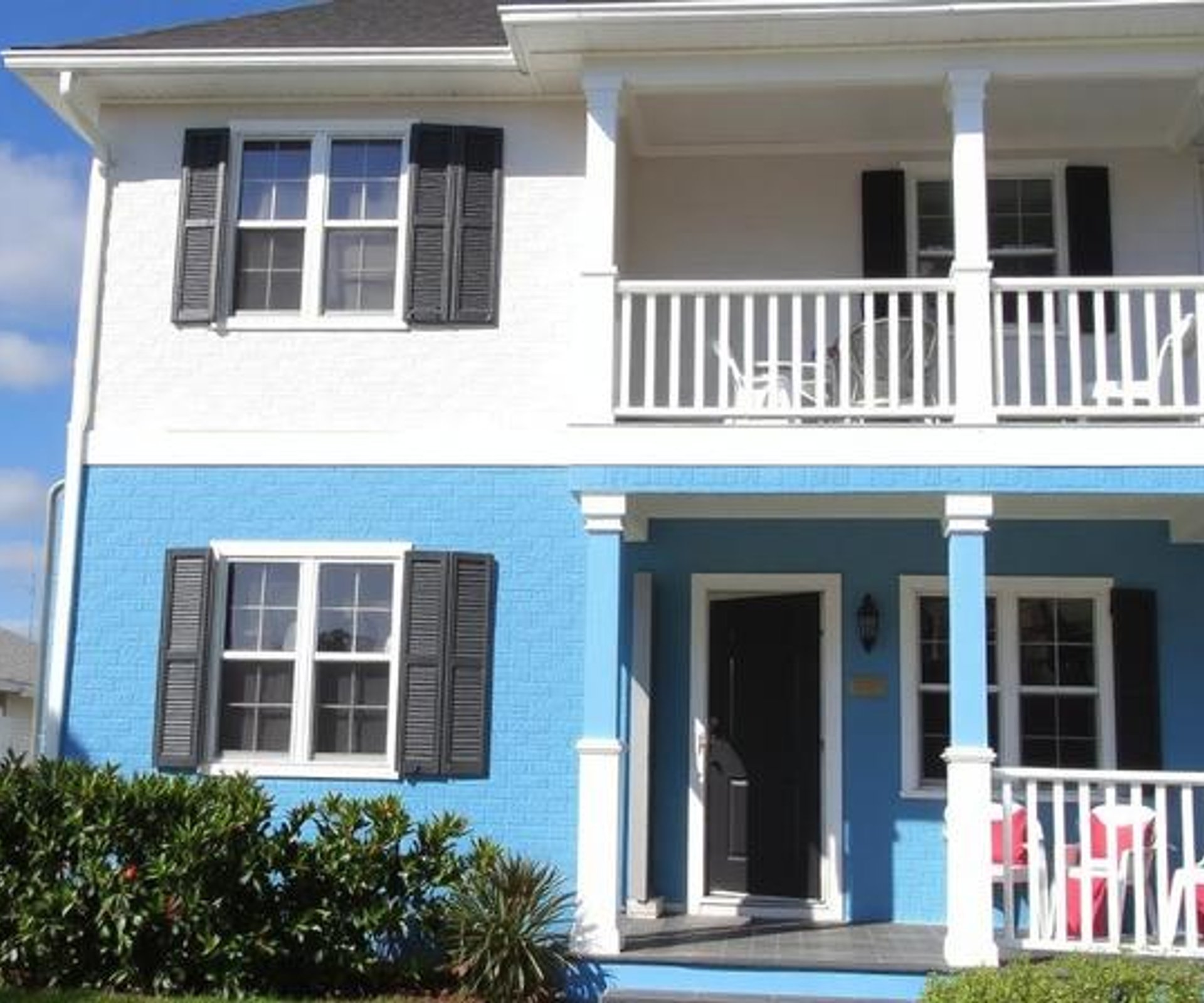

Maintaining a home in Southwest Florida isn't just about curb appeal; it’s about survival against a brutal tropical climate. The relentless sun and Gulf Coast humidity act like sandpaper on your home's exterior. Understanding the right maintenance cycle ensures your largest investment stays shielded from the elements.
Key Takeaways
- Paint Lifespan: Most Florida homes require a fresh exterior coat every 5 to 7 years.
- Surface Matters: Stucco requires specific elastomeric coatings to bridge "hairline" fractures common in Port Charlotte.
- Environmental Threats: UV radiation and salt air are the primary drivers of paint degradation in coastal regions.
- Early Detection: Identifying "chalking" or failed caulk early can save thousands in wood rot repairs.
How Often Should You Paint a House in Florida?
In the Port Charlotte, FL area, most residential properties require a full exterior repaint every 5 to 10 years to maintain structural integrity. While 10 years is the absolute limit for high-end coatings, the reality of Florida’s intense UV index usually necessitates a refresh by year 7. Factors like the quality of previous prep work and your home’s proximity to the salt air significantly dictate this timeline.
Average Exterior Paint Lifespan in Florida
The majority of houses in Florida need to be painted at least every five to ten years. However, this timeframe may be different based on the material of the exterior of your house and the type of paint you choose to use. Because a large portion of Florida homes are constructed of stucco, repainting them every 5 to 7 years is the industry standard for preventing moisture intrusion and keeping the aesthetic sharp.
Why Does Exterior Paint Wear Out Faster in Port Charlotte?
The Florida climate is notoriously aggressive due to a combination of high-energy UV rays, extreme humidity, and corrosive salt air from the Gulf. These elements work in tandem to break down the chemical bonds in paint binders, leading to a loss of elasticity and protective qualities. Without a high-grade barrier, your substrate—whether stucco or wood—becomes vulnerable to the state’s daily afternoon deluges.
What Are the Signs Your Home Needs Repainting?
Visible indicators like fading, "alligatoring" (cracked patterns), and chalking are clear signals that your paint’s protective resin has failed. If you run your hand across your siding and it comes away white and powdery, the paint is no longer shedding water. Ignoring these signs leads to moisture seeping into your walls, which in our heat, turns into a breeding ground for mold and rot.
Technical Failure Checklist
- Fading or Dullness: A loss of pigment usually means the UV inhibitors have been depleted.
- Peeling or Cracking: This indicates a total loss of adhesion, often caused by poor prep or moisture trapped behind the film.
- Chalky Residue: The binder has eroded, leaving only the pigment behind—your house is essentially unprotected.
- Mildew or Mold: Dark spots that return after washing suggest the paint's biocides are gone.
- Failed Caulking: Cracks around windows and doors are the #1 entry point for Florida's driving rains.
How Do You Make Exterior Paint Last Longer in the Florida Heat?
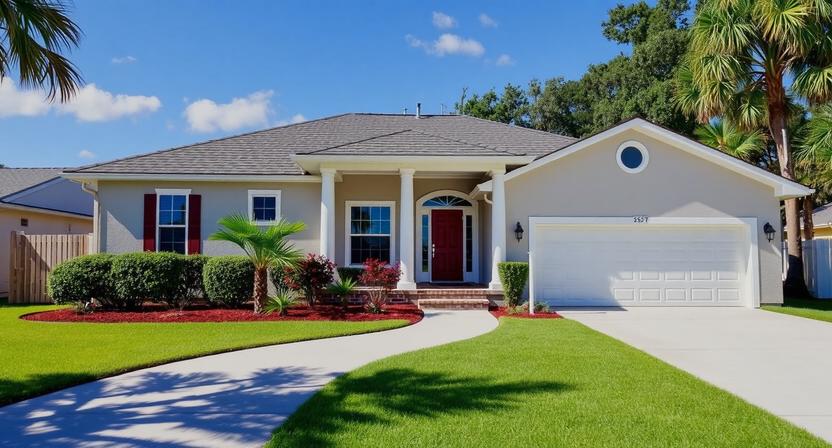
Longevity is 90% preparation and 10% application; a professional job lasts longer when you use premium materials and rigorous surface prep. Skipping the pressure wash or using cheap, "contractor grade" paint is a recipe for failure within three years. You need high-build, 100% acrylic or elastomeric coatings that move with the house as it expands and contracts in the heat.
The Strategic Framework for Longevity
- Mechanical Cleaning: Use a professional-grade pressure wash to remove salt, oxidation, and biological growth.
- Surface Prep: Scrape every loose flake and sand the edges to ensure the new "bridge" coat can bite into the surface.
- Sealing and Waterproofing: Apply high-grade urethane caulk to all joints and use a masonry sealer on raw stucco to neutralize pH levels.
- Premium Coating: Apply two coats of top-tier exterior paint, ensuring the correct "mil thickness" (wet-film thickness) to withstand UV rays.
Expert Perspective
Pro Tip: In Port Charlotte, don't just look at the walls. Check your "drip edge" and the undersides of your soffits. Many painters skip the "shadow" areas, but in Florida’s humidity, these are the first places mold will take hold. Always demand a high-solids primer on any south-facing wall—it’s the side that takes the most beating from the sun.
Mastering the Future of Your Home's Exterior
Repainting your home doesn't just enhance curb appeal; it acts as the primary armor against moisture, sun damage, and the slow creep of rot. Regular maintenance and a "prep-first" mentality can prevent the need for expensive structural repairs down the road. By following a strict 5-to-7-year cycle, you ensure your Port Charlotte property remains a sanctuary rather than a liability.
Explore our deep-dive guide on how often you should paint a house in Florida and protect your investment with A&B Painting today.
Frequently Asked Questions
Does the color of the paint affect how long it lasts in Florida?
Yes, lighter colors generally last longer than dark, saturated tones. Dark colors absorb more thermal energy from the sun, which accelerates the breakdown of the paint's binders and causes more rapid fading.
Can I paint my Florida home during the rainy season?
You can, but it requires precise timing and professional monitoring of substrate moisture levels. A master craftsman will track the "window" between morning dew evaporation and the standard 4 p.m. afternoon thunderstorms.
What is the best type of paint for stucco?
High-build 100% acrylic or elastomeric coatings are the gold standard for Florida stucco. These products provide the necessary breathability and flexibility to handle the thermal expansion common in our tropical climate.
How much does it cost to repaint a home in Port Charlotte?
Costs vary based on square footage, the amount of repair work needed, and the quality of the coatings used. A professional quote will always include a detailed breakdown of the prep steps, which is where the real value lies.
Is one coat of paint enough for an exterior?
Rarely. In Florida, two coats are almost always required to achieve the necessary dry-film thickness for UV protection. A single coat often leaves microscopic "voids" that allow moisture and salt air to penetrate the substrate.